

Strategy
Core KPIs for Central Asia–EU trade in 2026
The procurement agenda for 2026 at a glance: GDP growth in Central Asia, the growing Central Asian diaspora in the EU (Eurostat) and GSP+ access.
Read the articleInsights
This section collects practical material from the Trade House ECLECTIE team for anyone working between Central Asia and the European Union. Analysts, category managers, logistics managers and compliance officers will find a route map, guides to EU regulations, the economics of wholesale pricing, specifications for HoReCa chefs and a baseline scenario for 2026. The articles do not repeat the service and country pages. Each one is a self-contained look at a specific step, from choosing a leg of the Trans-Caspian corridor to setting up an SKU portfolio for the diaspora channel in the Baltics and Scandinavia. Open the article that fits your team's current task, and come back to this collection when you revise the seasonal plan.
Strategy
The procurement agenda for 2026 at a glance: GDP growth in Central Asia, the growing Central Asian diaspora in the EU (Eurostat) and GSP+ access.
Read the article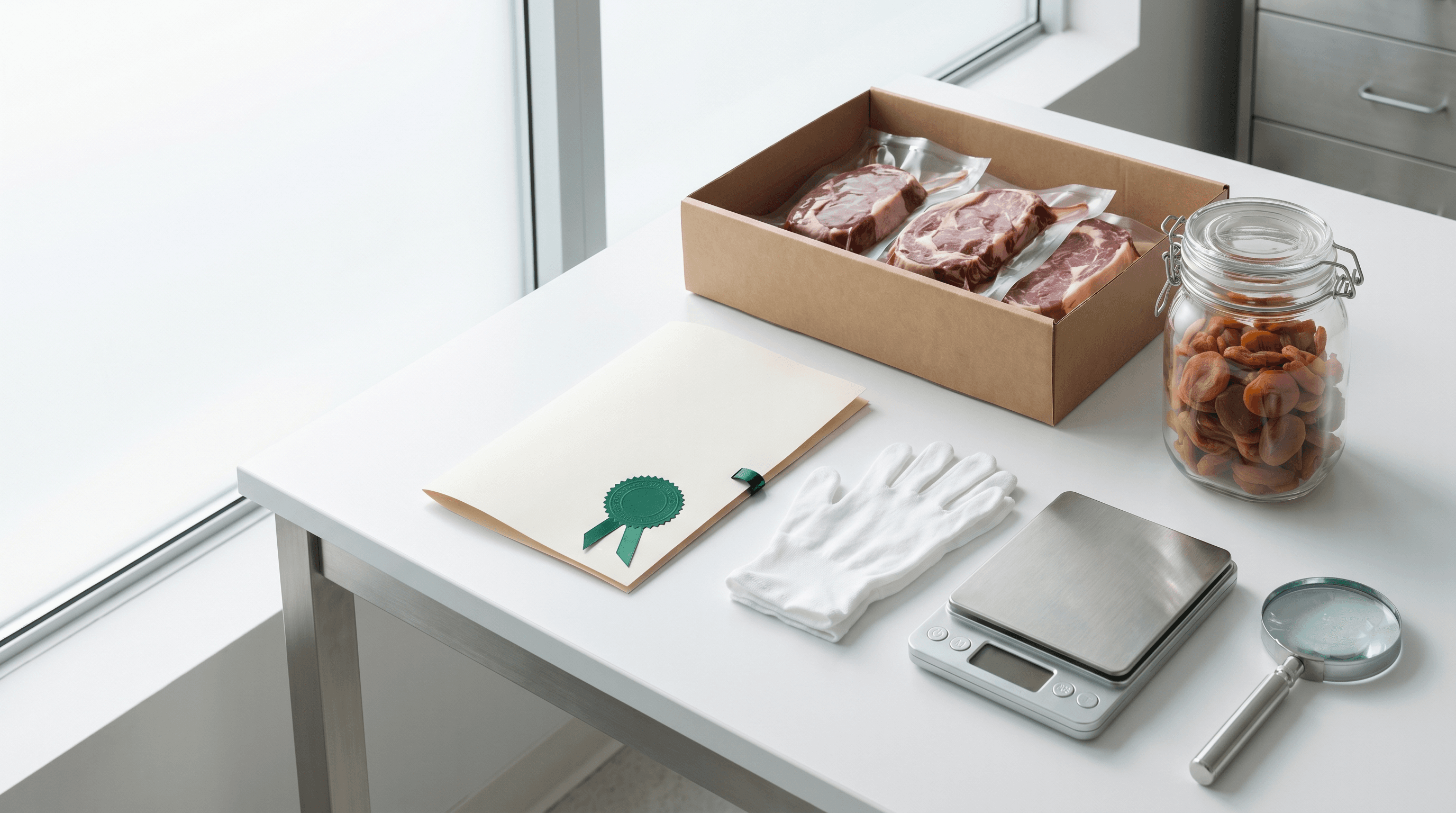
Certification
How IHI, SMIIC and GIMDES fit together with EU Regulations 178/2002, 852/2004 and 853/2004, and the role of Halal Latvia as the translator.
Read the article
Strategy
Three ways to supply the EU from Central Asia (a direct contract, intermediaries, a trading house) and the operational case for a Latvian SIA.
Read the article
Logistics
What our leased part of Uriekstes 4A includes: a 1,440 m² warehouse, a 720 m² showroom, a 486 m² workshop and a 288 m² office under one roof.
Read the article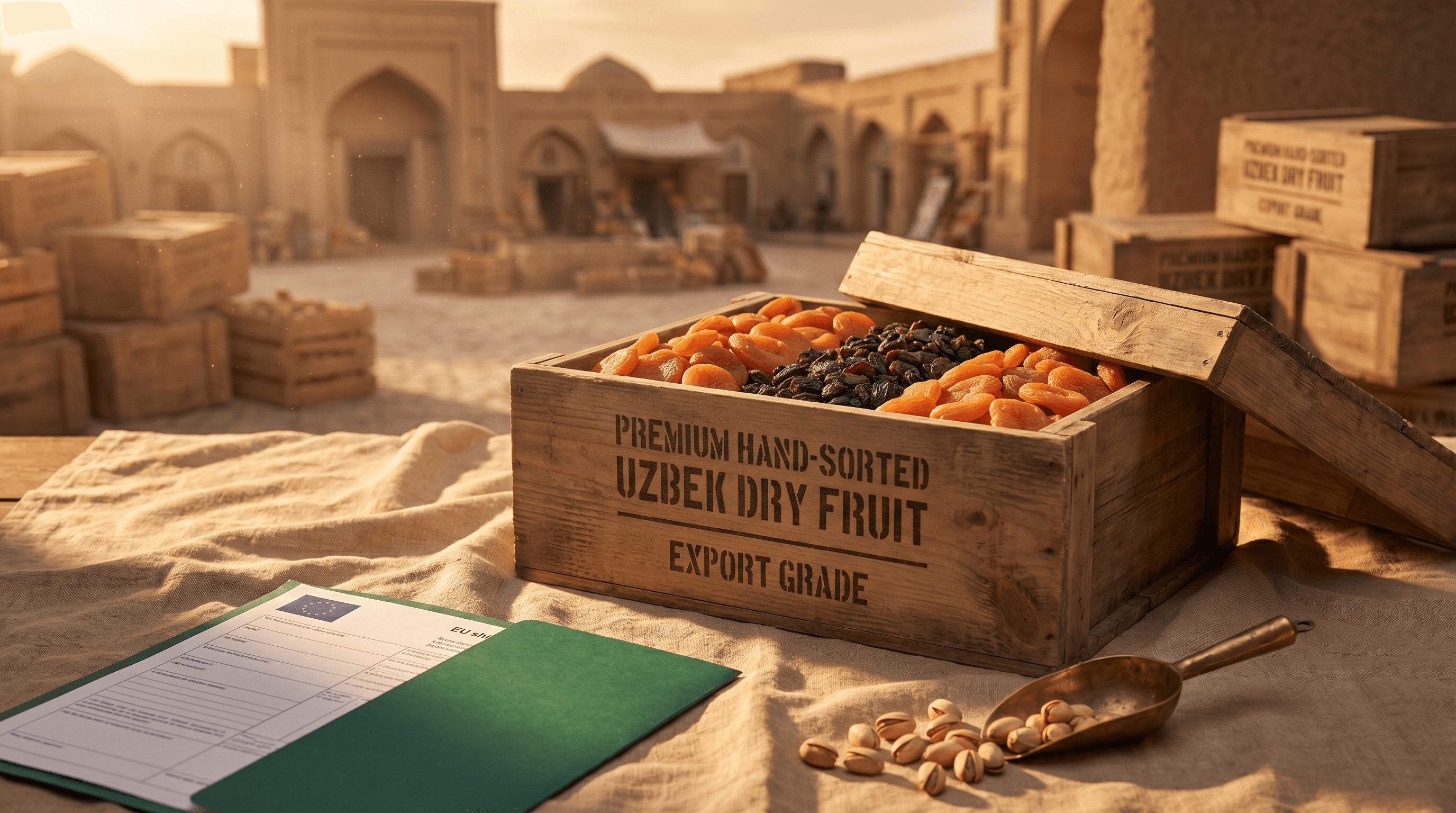
Export
Apricots from Surkhandarya and from Sughd in Tajikistan, Khorezm raisins, calibration and packing, sulphur dioxide and mycotoxin limits, the seasonal calendar.
Read the article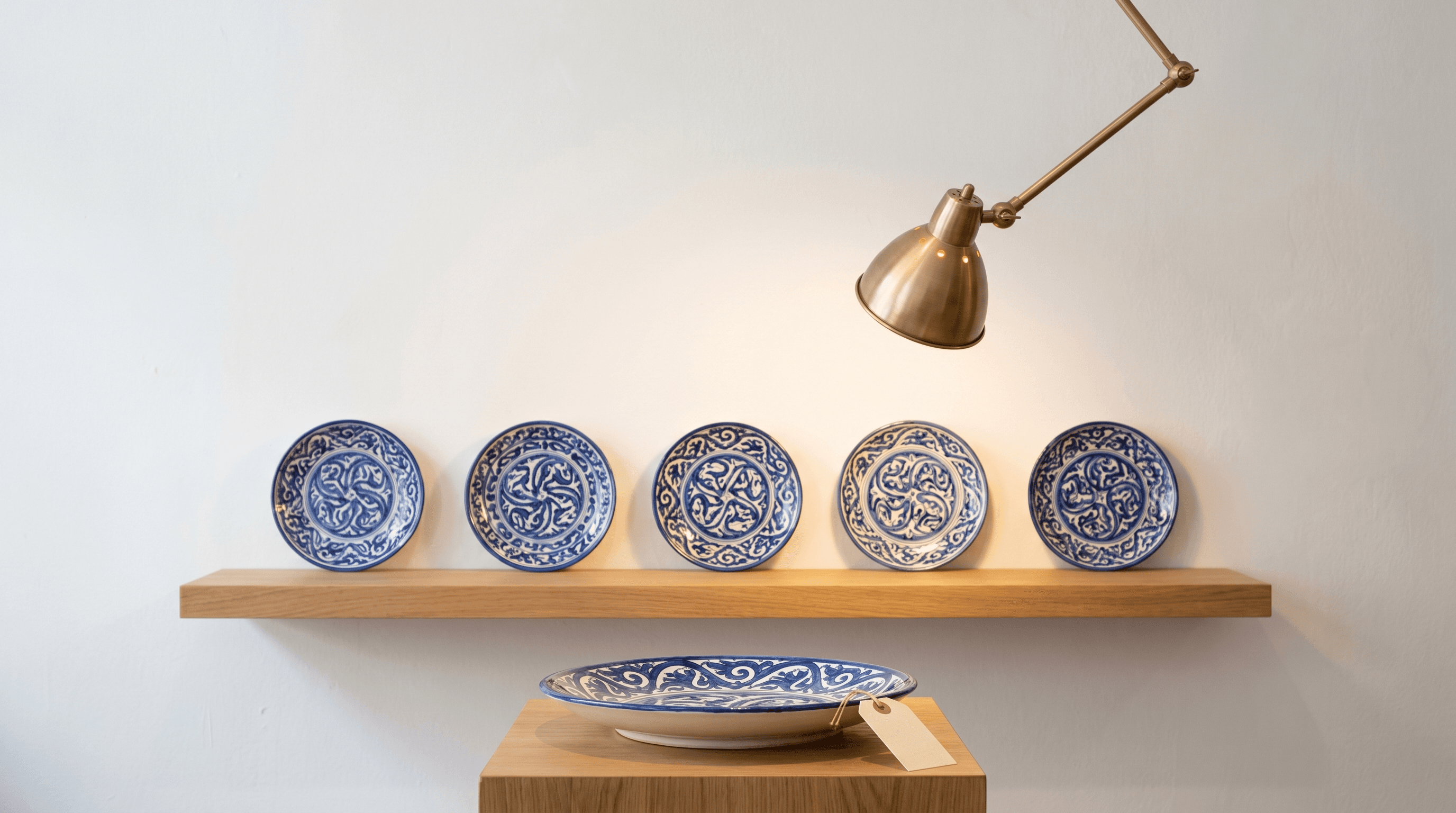
Culture
The cobalt-blue ishkor glaze, breakage cover along the corridor, origin and pricing for the European shelf.
Read the article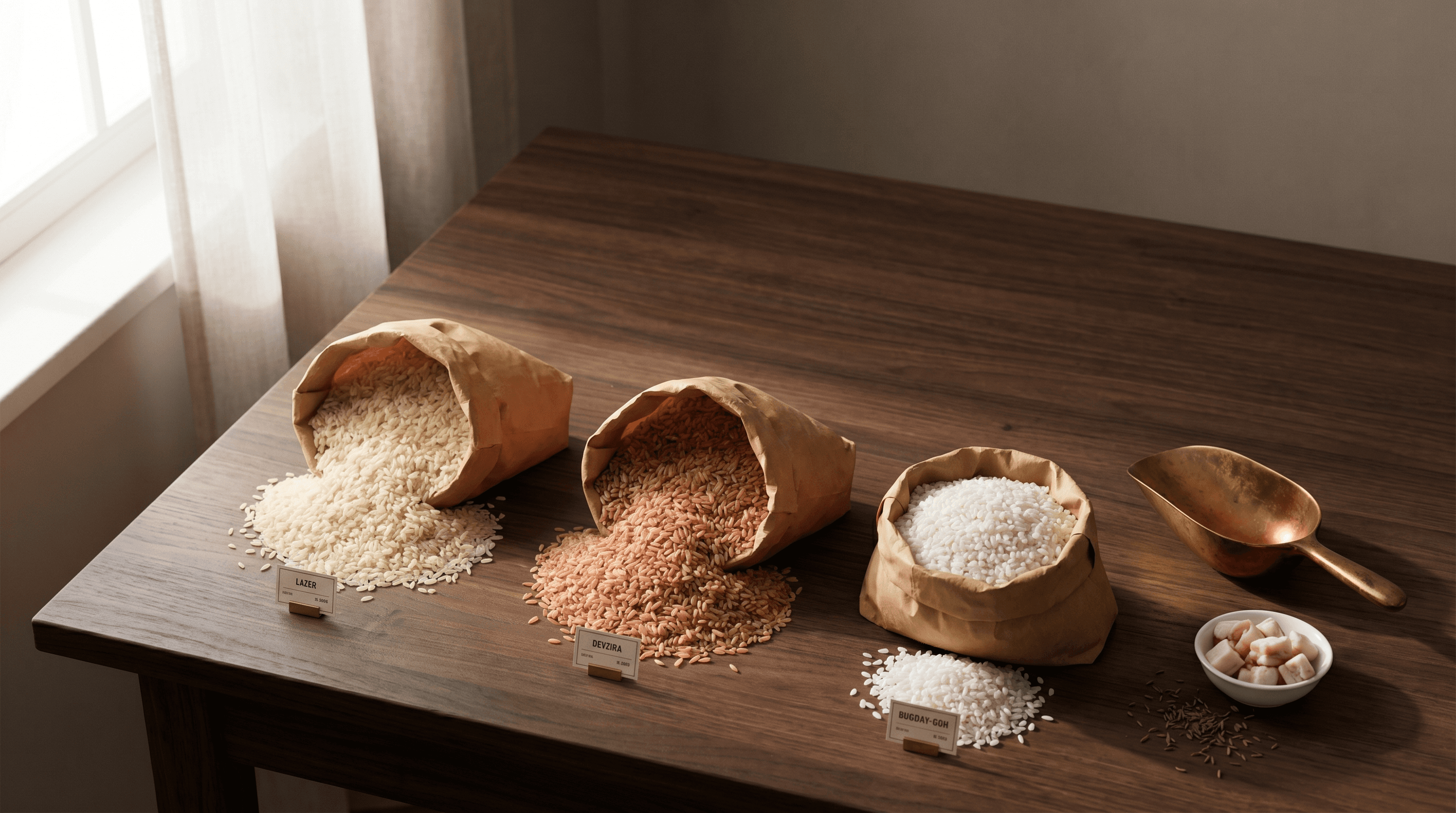
Export
Four lines of plov rice with moisture parameters, CN 1006 codes and batch quality checkpoints.
Read the article
Compliance
Regulation (EU) No 1169/2011 in practice: the 14 allergens, the nutrition declaration, QUID, font size and batch traceability.
Read the article
Logistics
The Tashkent–Aktau–Baku/Alat–Poti–Riga route: timetables, seasonal risks and fallback options.
Read the article
Export
Black zira Bunium persicum and white Cuminum cyminum: essential oil, moisture and packaging formats for HoReCa and retail.
Read the article
Culture
Eurostat data on the growing Central Asian diaspora in the EU (dataset migr_pop1ctz; citizenship KZ/UZ/KG/TJ/TM; EU-27): the shopping basket, where people buy and the cities in Northern Europe where demand is concentrated.
Read the article
Compliance
The GSP+ preferential tariff for Uzbekistan and Kyrgyzstan: Regulation 978/2012, the REX number and the statement on origin of the batch.
Read the article
Logistics
Based on our team's internal cases, a three-step batch check (01 Capture, 02 Verification, 03 Report) keeps €200–800 per pallet in the margin before shipment.
Read the article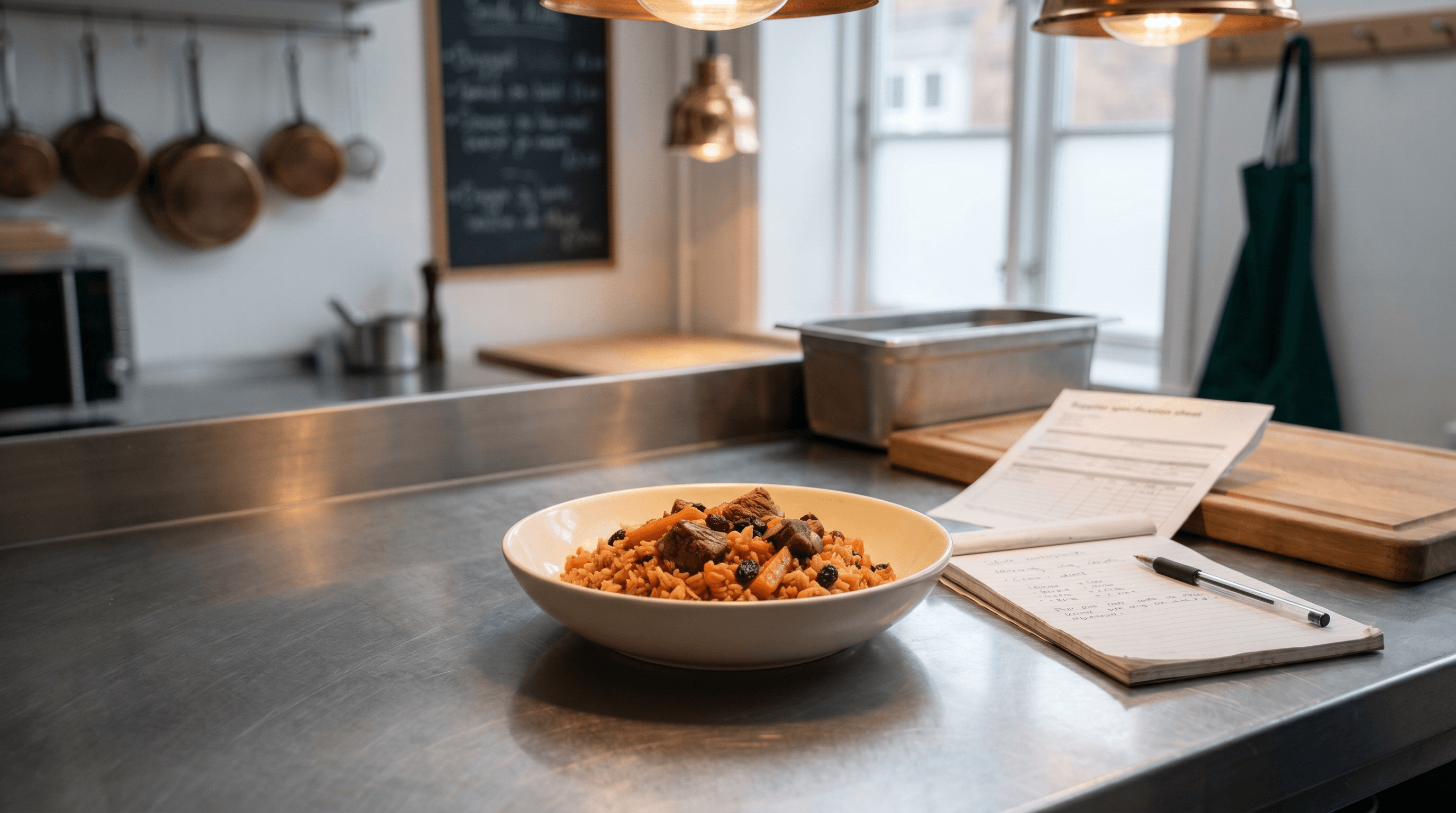
Strategy
Chefs, F&B directors, catering and distributors: specifications, seasonal menu cycles and festival promotions.
Read the article
Strategy
A transparent price formula: landed cost, FOB margin, service layer and three contract levels from pilot to partner.
Read the article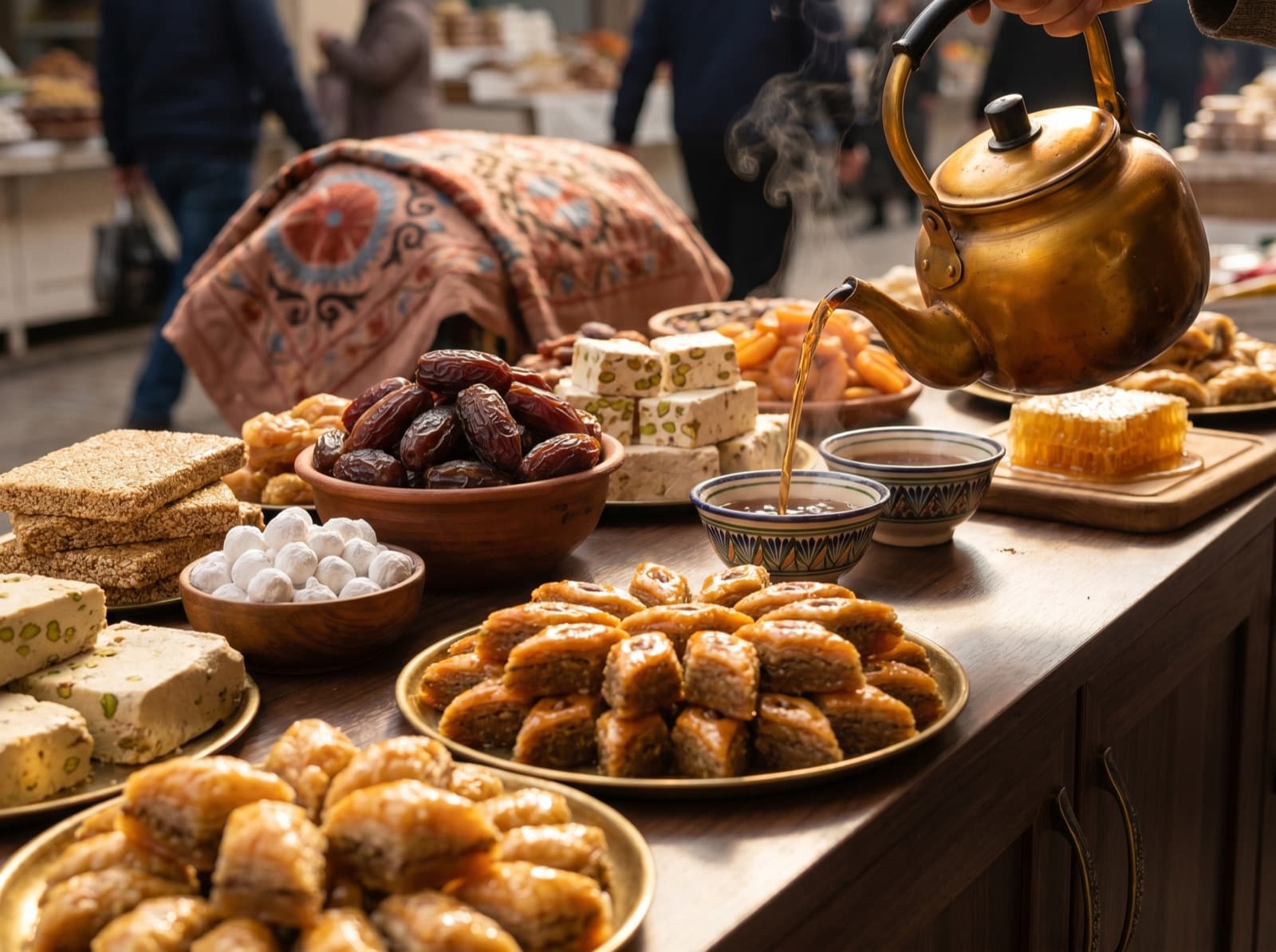
Culture
How navat is made, how it compares with white sugar and Kandis, whether people with diabetes can eat it, why it comes with tea and how to store it.
Read the article
Culture
Riga Central Market guide: how to get there, what each Zeppelin-hangar pavilion sells, tips for visiting, what to buy, and where to find the Uzbek bazaar.
Read the article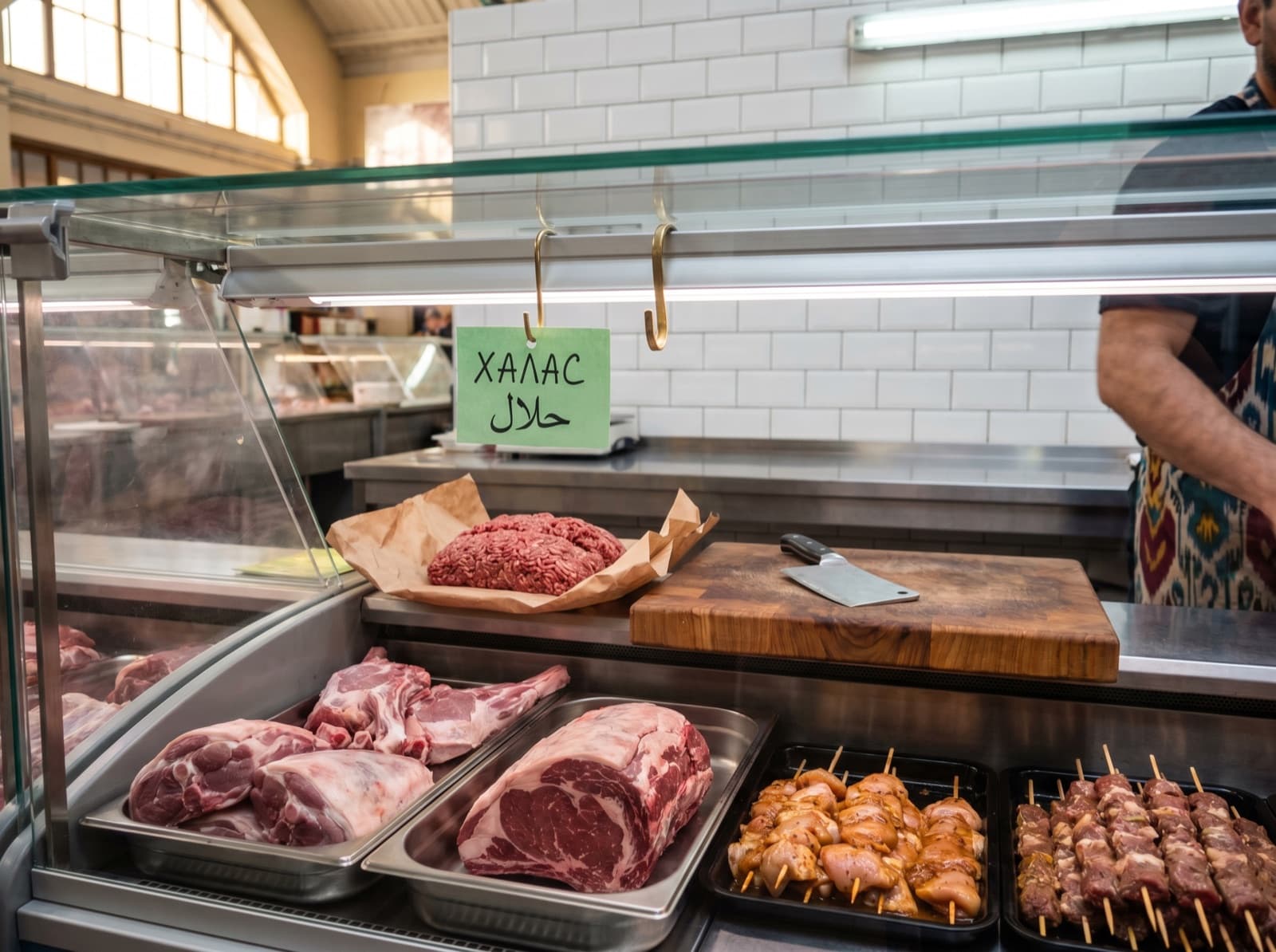
Certification
What halal meat means, which conditions make meat halal, how certification and EU slaughter rules work, and what to check when buying halal meat in Riga.
Read the article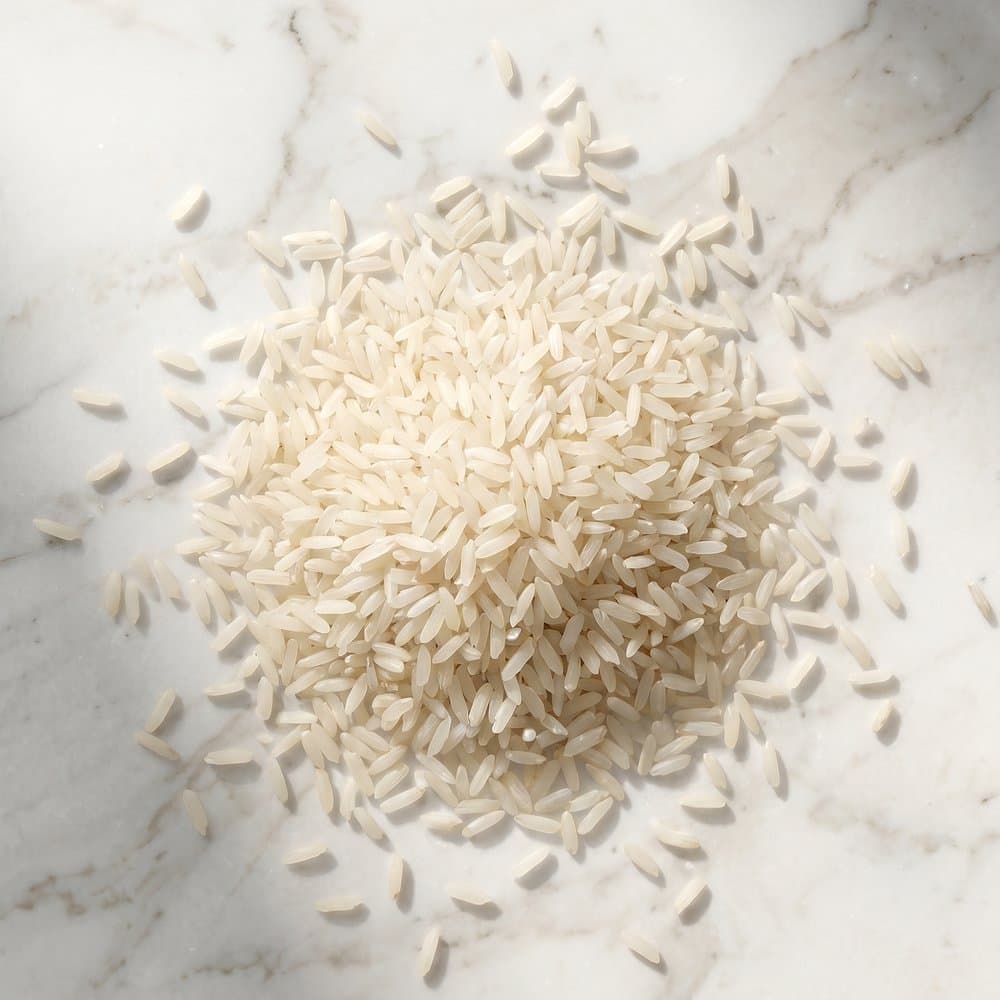
Culture
Devzira or laser? How the two classic Uzbek plov rices differ in grain, soaking and cooking, when basmati works, and how to spot fake devzira in Europe.
Read the article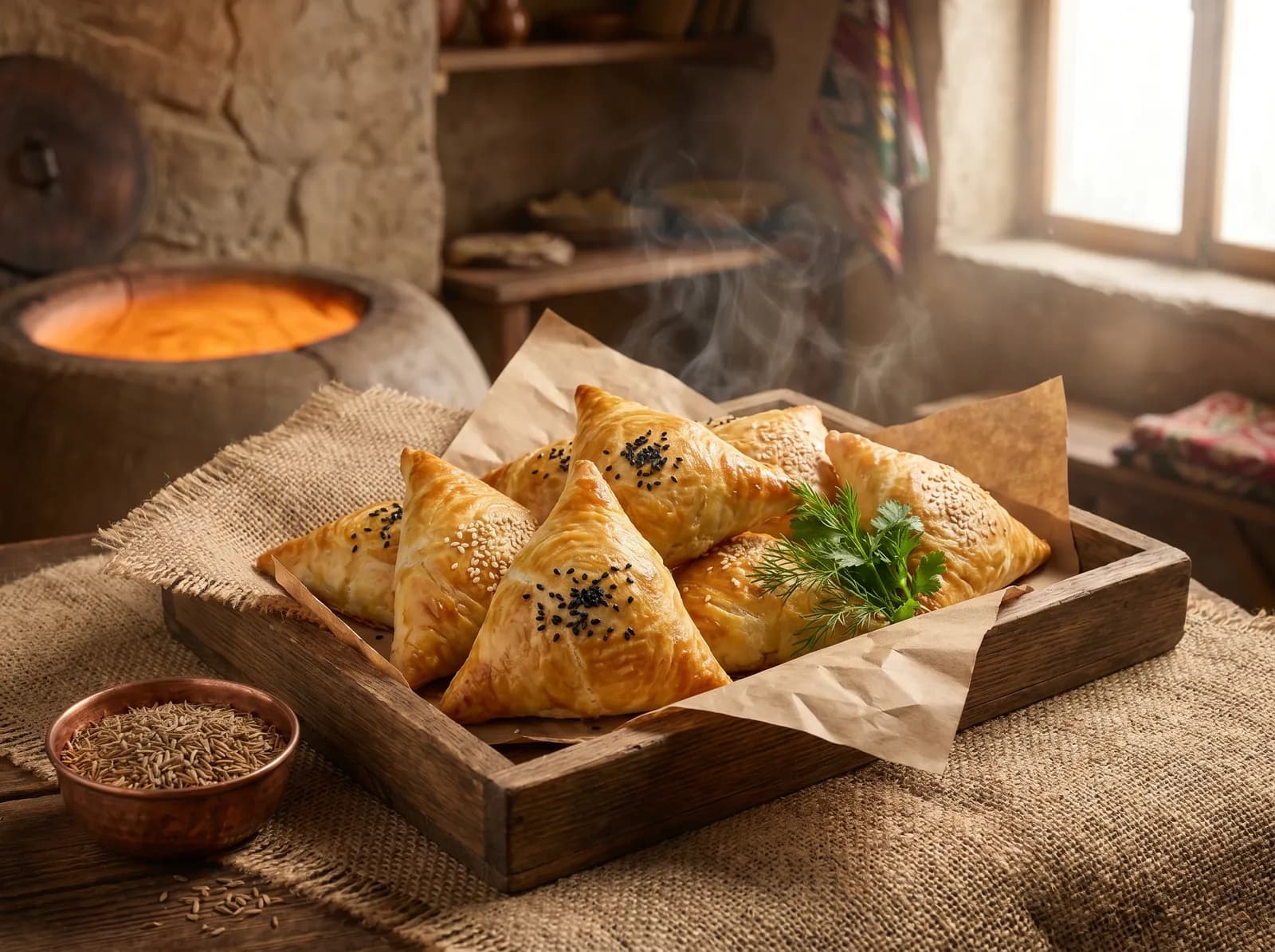
Culture
Uzbek bread explained: obi non, patyr (patir), Samarkand non, katlama and more, plus bread etiquette, storage tips and how to bake non in a home oven.
Read the article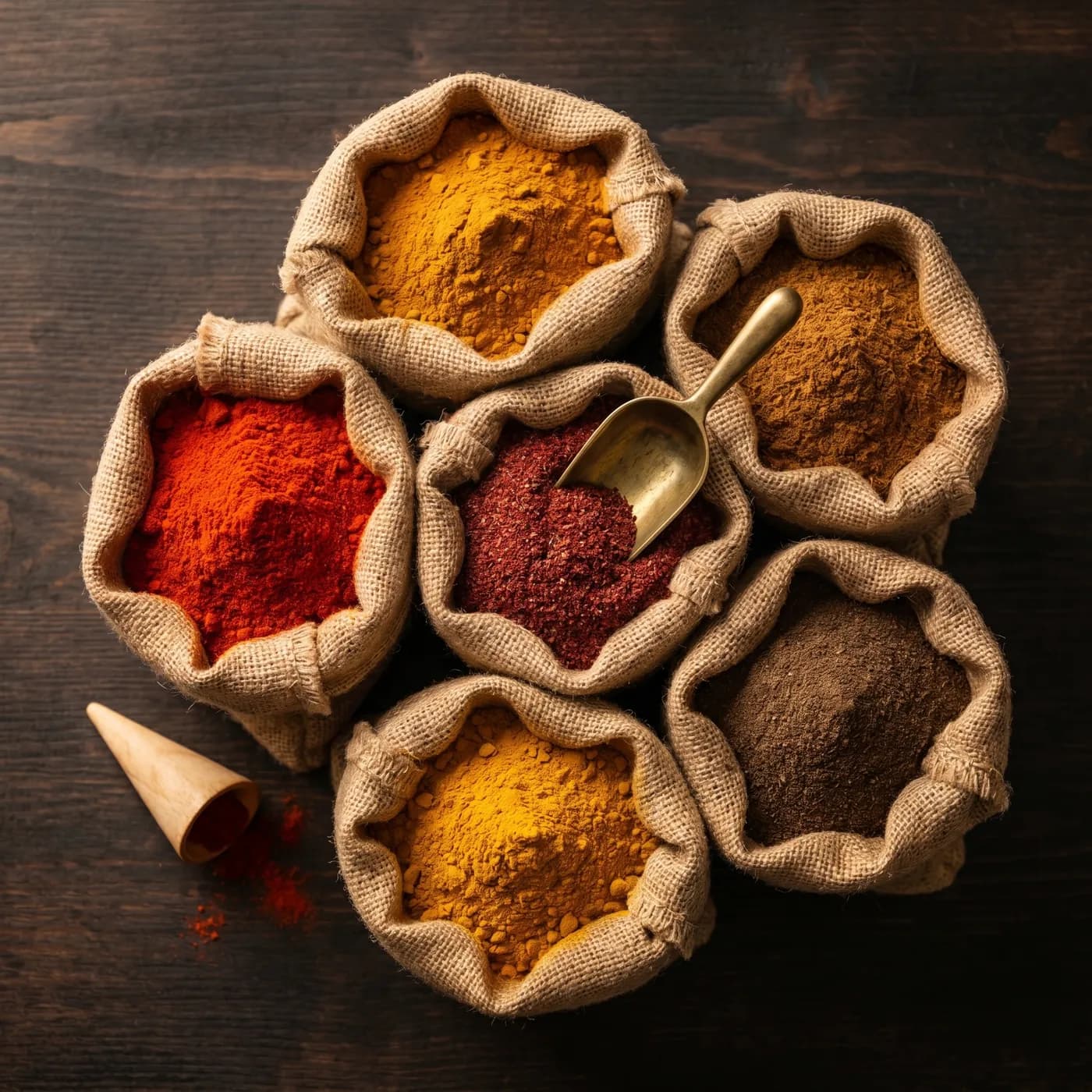
Culture
A glossary of Uzbek spices: zira, zirk, kashnich, zarchava and more, with English and Latvian names, how each is used, and what to buy for plov in Riga.
Read the article